
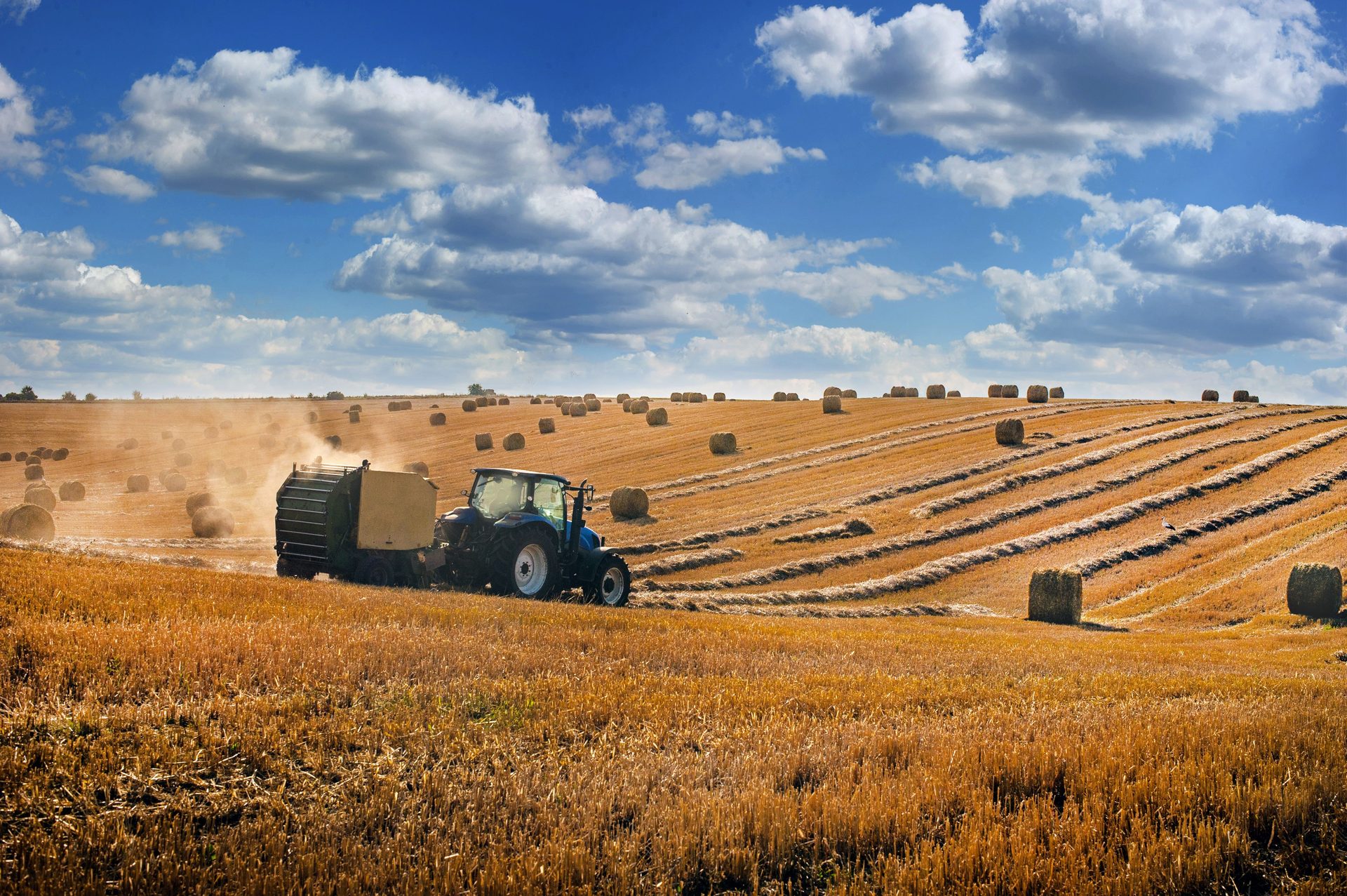
Farming is one of the most capital-intensive businesses in the UK. A modern tractor can cost £80,000–£180,000. A combine harvester can top £400,000. And with the transition away from the Basic Payment Scheme putting pressure on farm incomes, the case for spreading those costs over time — rather than paying upfront — has never been stronger.
Here's what you need to know about agricultural finance.
What can be financed?
Almost any tangible farm asset can be financed:
- Tractors, combine harvesters, and self-propelled machinery
- Cultivation, drilling, and harvesting equipment
- Livestock trailers and agricultural vehicles
- Grain stores, livestock buildings, and polytunnels
- Solar panels and renewable energy installations
- Irrigation systems and drainage equipment
- Second-hand and ex-demonstration machinery
Seasonal payment structures
Standard monthly repayments don't always suit farming, where income arrives in lumps — after harvest, after the milk cheque, after a livestock sale. Many agricultural lenders offer seasonal payment profiles that reflect this reality.
A common structure for arable farms, for example, might have lower repayments from October to June and higher repayments in July to September, when cash from harvest is flowing. We always discuss payment structure upfront and make sure the finance works around your farming year.
Hire purchase vs finance lease for farm machinery
Hire purchase is the most popular structure for farm machinery. You pay a deposit (often 10%), make fixed monthly repayments, and own the asset outright at the end of the term. It's straightforward and qualifies for Annual Investment Allowance, which many farmers find valuable.
Finance lease keeps payments lower and gives you flexibility to hand the asset back or refinance at the end — useful for equipment that needs regular upgrading.
How to get started
The process is simpler than most farmers expect. We typically need the asset details, a recent set of accounts or two, and a brief overview of your farming operation. Decisions on standard agricultural assets under £250,000 often come back the same working day.
Give us a call — we're happy to walk through your options with no obligation.